Independent Flood Investigations
Independent flood investigations for Lead Local Flood Authorities, councils and property owners — establishing the source, mechanism and cause of flooding, including Section 19 investigations under the Flood and Water Management Act 2010.
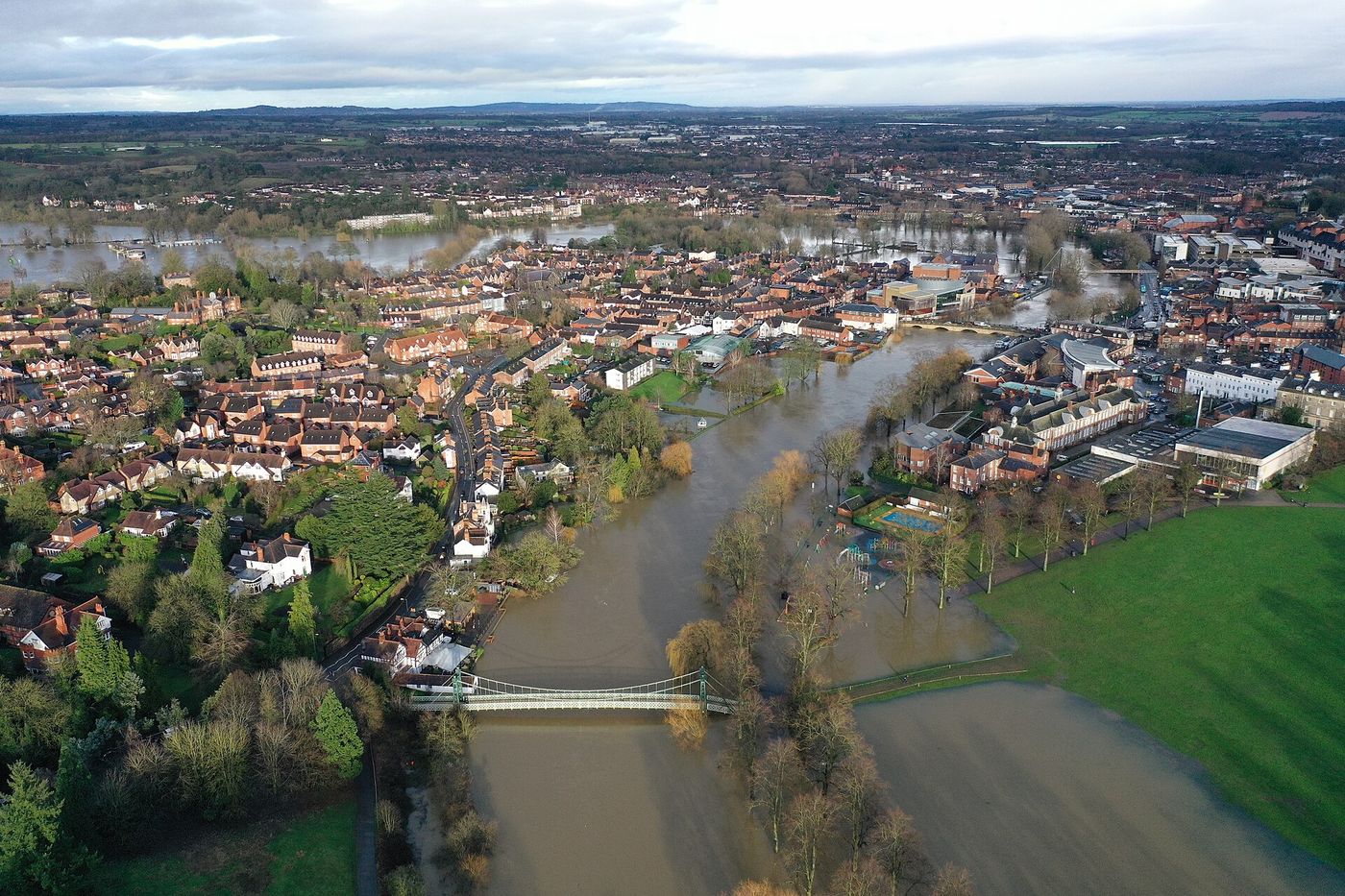
Independent Flood Investigations for LLFAs & Councils
When flooding affects homes, businesses or land, someone has to establish what happened, why, and who is responsible for putting it right. We carry out independent flood investigations for Lead Local Flood Authorities (LLFAs), councils and private property owners — determining the source, mechanism and cause of a flooding incident and setting out clear, evidence-based recommendations.
Under Section 19 of the Flood and Water Management Act 2010, LLFAs have a duty to investigate flooding incidents in their area — establishing which risk management authorities have relevant flood risk management functions, and whether they have or intend to exercise them. We provide the independent technical capacity to carry out these investigations and produce robust Section 19 reports, whether you need extra resource at peak times or an impartial third party for a contentious incident.
Having worked inside a Lead Local Flood Authority (Leicestershire County Council), we understand exactly how these investigations are scoped, evidenced and reported — and we've delivered independent flood investigations for authorities including Bristol City Council.
What We Investigate
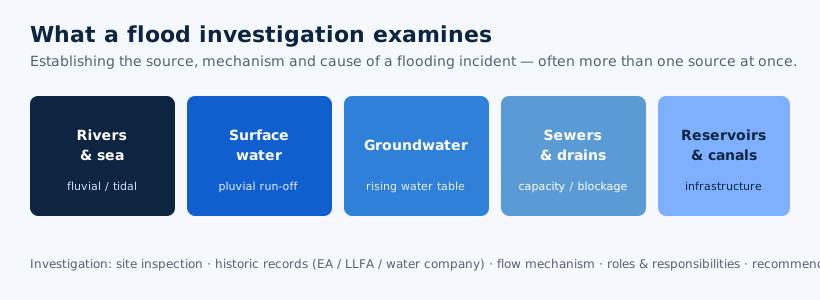
✓ Source of flooding — river, surface water, groundwater, sewer or a combination
✓ Mechanism and flow route — how water reached the property and why
✓ Historic flooding and records review (Environment Agency, LLFA, water company)
✓ Site inspection and evidence gathering
✓ Roles and responsibilities of the relevant risk management authorities
✓ A Section 19 report or bespoke investigation report with recommendations
When a Flood Investigation Is Needed
Independent investigation and reporting — for authorities and property owners alike.
Section 19 investigations (LLFAs)
Fulfilling the statutory duty to investigate significant flooding incidents under the Flood and Water Management Act 2010, with a formal, publishable Section 19 report.
Flooding complaints & disputes
Independent determination of cause and responsibility where residents, developers or authorities disagree about the source of flooding.
Post-flood incident review
Establishing what happened after a flood event, what failed, and what measures would reduce the risk of it happening again.
Property & garden flooding
Investigations for homeowners and businesses to establish cause and liability, and to support insurance claims or remedial drainage works.
What a Section 19 Investigation Report Contains
A clear, publishable record of a flooding incident — and who is responsible for what.
For a significant flooding incident, a Section 19 investigation establishes and reports the full picture. Our reports set out what happened and when, which properties and areas were affected, and the source and mechanism of the flooding. Crucially, they identify which risk management authorities have relevant flood risk management functions, whether those functions have been or are intended to be exercised, and what should be done to reduce the risk of it happening again.
The incident & its impact
What happened, when, how many properties flooded internally, and which roads, land and critical infrastructure were affected — built from site inspection and resident, authority and water-company records.
Source, mechanism & responsibilities
The dominant source (river, surface water, groundwater, sewer or a combination), how the water reached the properties, and which risk management authorities — the EA, LLFA, water and sewerage companies, highway authorities, district councils or IDBs — have relevant functions.
Recommendations
Practical, prioritised recommendations for reducing future risk, and a clear record that satisfies the authority's Section 19 duty and can be published with confidence.
Working with local authorities: we act as additional resource when your team is stretched, and as an independent third party where an incident is contentious or where the authority itself may be one of the risk management authorities involved — so the investigation is, and is seen to be, impartial.
Frequently Asked Questions
Get a Free Quote
Free, no-obligation fixed-fee quote within 24 hours. All flood zones and LLFAs covered across England and Wales.
Get a Free QuoteOr contact us directly: 07826 705389 •