SuDS Guidance: susdrain, CIRIA & The SuDS Manual
The resources every drainage strategy is built on — susdrain, CIRIA's SuDS Manual (C753) and the government's technical standards — and what they mean for your scheme.
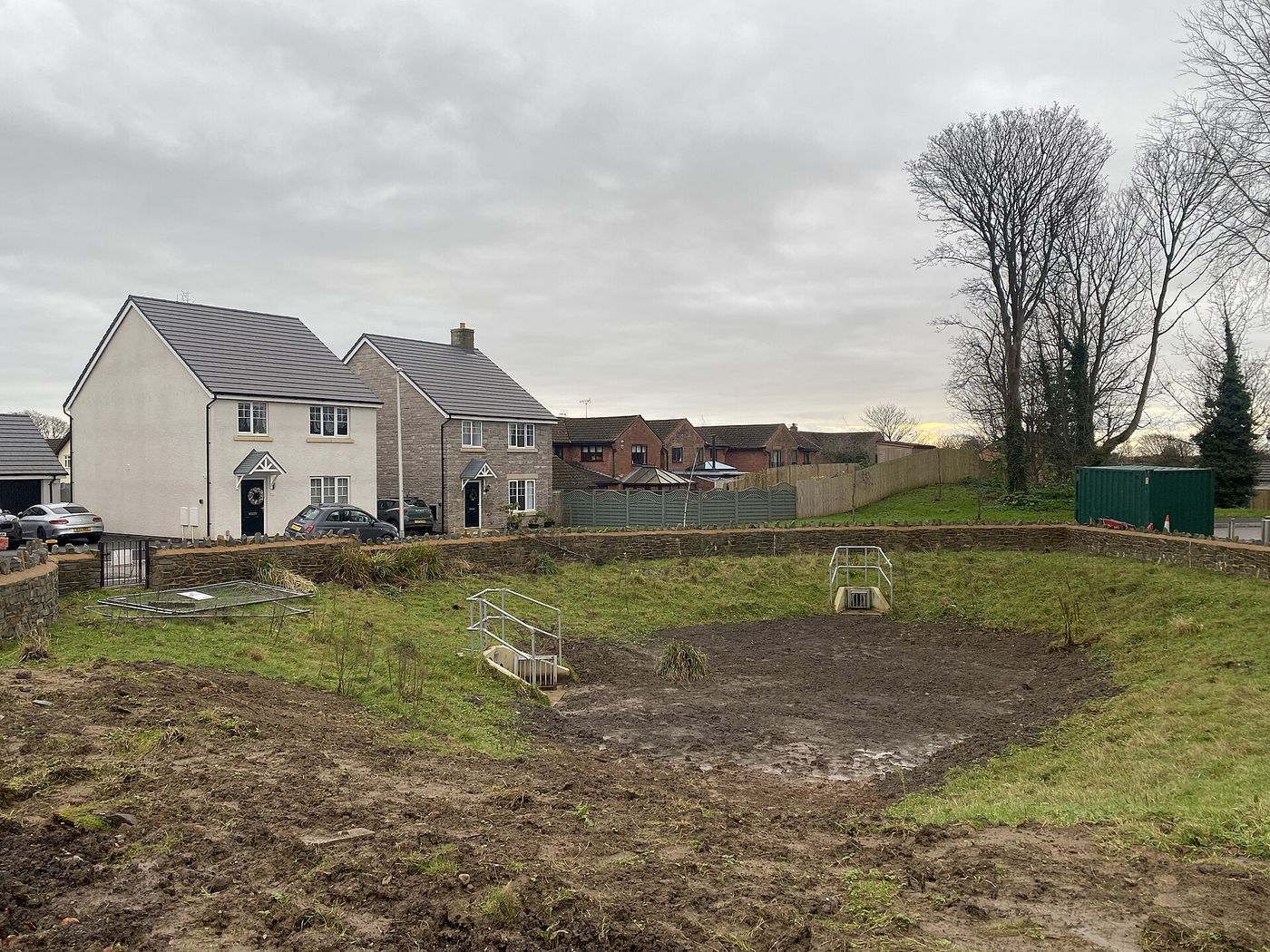
The key SuDS resources
Sustainable drainage systems (SuDS) manage rainfall close to where it falls, mimicking natural drainage instead of piping everything to a sewer. Good SuDS design draws on a small number of authoritative resources — and knowing them helps you understand what a Lead Local Flood Authority will expect from your drainage strategy.
The cornerstone is CIRIA's SuDS Manual (C753), the industry-standard design guidance. susdrain — run by CIRIA — is the free online community that puts that guidance, plus components, case studies and tools, in one place. Alongside them sit the government's non-statutory technical standards, which LLFAs use to judge a scheme.
Visit susdrain (the UK SuDS site) →How to use it — step by step
Four quick steps to get what you need from the tool.
1. Start with susdrain
susdrain is the best free starting point — an overview of SuDS components (swales, basins, permeable paving, green roofs), how they work and real case studies.
2. Design to the SuDS Manual (C753)
CIRIA C753 is the design bible. It sets out the SuDS management train, treatment and attenuation design, and the criteria a drainage strategy must meet.
3. Check the technical standards
The government's non-statutory technical standards define the run-off rate and volume requirements LLFAs apply — the numbers your strategy has to hit.
4. Follow the discharge hierarchy
SuDS should discharge in priority order: infiltration first, then watercourse, then surface water sewer, then combined sewer — at greenfield run-off rates.
How this shapes your strategy
On any development that needs a drainage strategy, the LLFA (a statutory consultee on major schemes) will judge it against C753 and the technical standards — greenfield run-off rates, attenuation for events up to the 1% plus climate change, and treatment. We design SuDS-led strategies to exactly these standards. Send us your site for a fixed-fee quote.
Frequently Asked Questions
Not sure what your result means?
Send us your postcode and we'll tell you, free, whether your site needs a Flood Risk Assessment.
Get a Free QuoteOr contact us directly: 07826 705389 •